- Not insured by the FDIC or any other government agency
- Not bank guaranteed
- Not a deposit or obligation
- May lose value



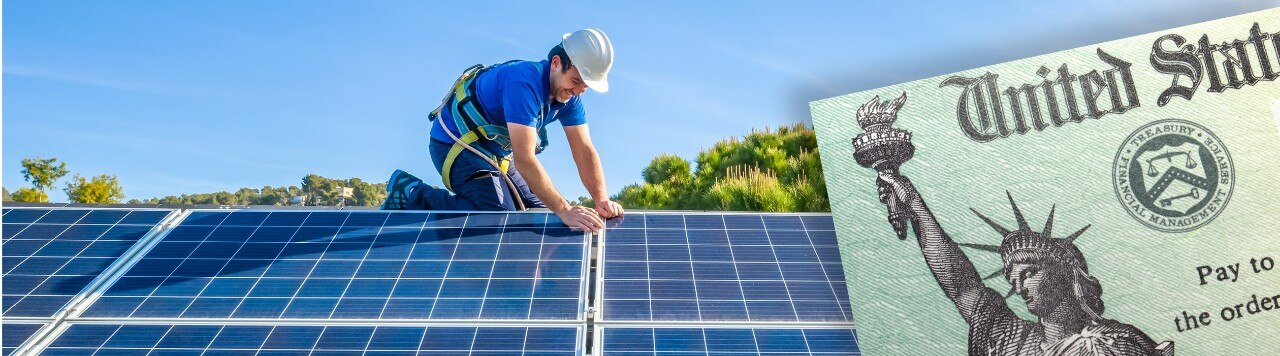
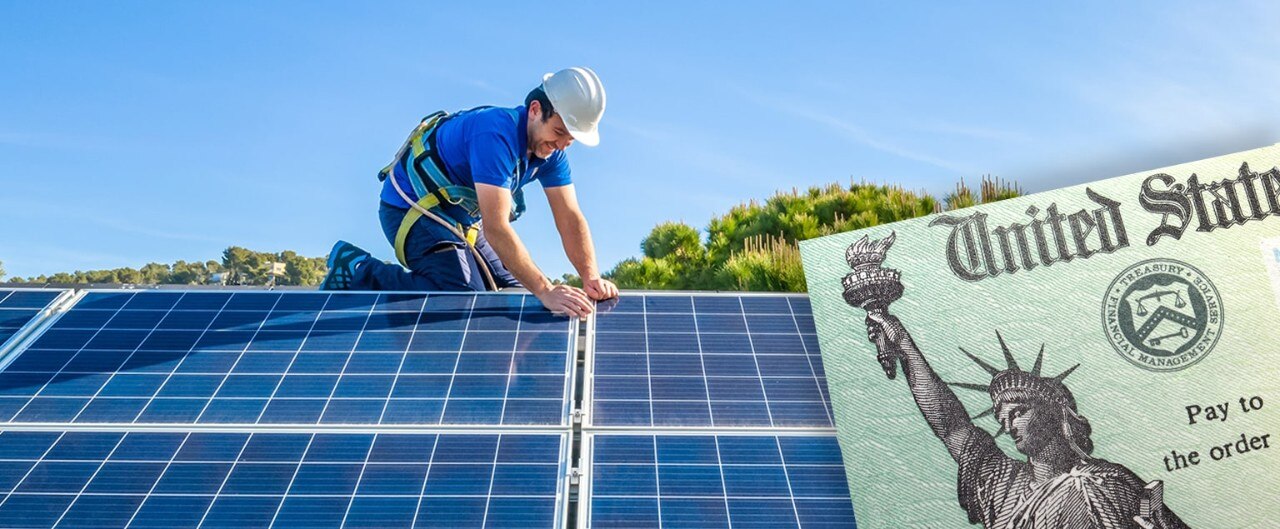
Good news, taxpayers: In 2026, the Internal Revenue Service estimates the average tax refund is up 10.8% at $3,623.1 A nice chunk of change like that can pay for a top-of-the-line TV, an all-inclusive vacation or new furniture for your home. However, on the flipside, it could also buy you peace of mind, by improving your overall financial strength. While a vacation or something new for your house sounds appealing, in these uncertain economic times, it may be more prudent to use your tax refund to lower your monthly debt or put it away for a rainy day.
Let’s see how.
Remember the sound of a piggy bank? Hearing your savings grow, a few coins at a time, was literal proof that small efforts add up to secure big goals. The same principle can apply to how you use your tax refund. You work hard; these five suggestions can help your tax refund work harder for you.
Want to reduce the number of years on your mortgage? A tax refund of even $500 to $1,000 can reduce the number of mortgage payments you make, if you put it toward paying down your home’s principal. Tax tip: When you make an extra, principal only, mortgage payment, you reduce the amount you owe on your home and the interest you pay over the life of the loan. This is because your interest payments are based on consistent payments over a predetermined number of years.
The average American household owes over $11,000 in revolving credit card debt.2 Say you’re carrying a month-to-month balance of $3,000. At an interest rate of nearly 23% (the average for existing accounts), that would generate around $57 in monthly interest debt. Tax tip: Paying down that credit card bill by $1,000 would reduce the monthly interest closer to $38.3 You could also consolidate all credit card debt into a lower-interest loan and put your tax refund toward the first payment. You can compare our lower-interest loans here.
Cars break down, jobs change, kids might need braces. Unexpected expense can throw a household into turmoil. This is why financial experts advise holding three to six months’ worth of essential expenses easily accessible in a savings account. Tax tip: A tax refund, when deposited into a high-interest savings account, can narrow the debt-savings gap considerably. And watching that interest grow might encourage more saving ideas, such as our 12-week savings challenge.
The typical down payment on a home these days runs from 5% to 20% of the purchase price.⁴ The higher the down payment, the lower the monthly payments – and potential fees. Private mortgage insurance, for example, is usually charged to homeowners who put down less than 20%. Tax tip: A tax refund can get you closer to that 20% mark or, the refund can cover closing costs, which usually run 2% to 5% of the purchase price.⁴ Learn more about our low down payment and low closing cost mortgages here.
Certain home improvements can bring tax benefits. Energy-efficient equipment, such as certified furnaces, insulation, and solar panels, may qualify for tax credits. Renovations to accommodate out-of-pocket medical needs, such as a wheelchair ramp, could also qualify.⁵ Tax tip: Even if you’re committed to building a non-tax-deductible deck, the investment can benefit your tax bill if it offsets your capital gains, which are taxed.
Sure, many people look forward to their tax refunds as “me money,” a reward for a year of hard work and, well, paying taxes. If that “me” money were used to improve your earnings and savings power, you’d likely pay less in fees, get out of debt faster, and improve your credit score.
You can even treat yourself twice: a nice little splurge now, and a bigger, smart splurge for long-term peace of mind.Not all of us are fortunate enough to have the choice of how to use a refund, but you do have the resources to help with all money matters. You can get in touch with a First Financial Bank representative now, right here.
1 “Average IRS Tax Refund is Up 10.8%, New Filing Data Shows,” By Kate Dore, CNBC, Mar. 20, 2026; https://www.cnbc.com/2026/03/20/average-irs-tax-refund.html
2 “2025 Household Credit Card Debt Study: 49% Say Credit Card Debt is Normal,” By Erin El Issa, NerdWallet, Jan. 15, 2026; https://www.nerdwallet.com/article/credit-cards/average-credit-card-debt-household
3 “Credit Card Interest Calculator,” By Paul Soucy, NerdWallet, Mar. 20, 2026; https://www.nerdwallet.com/article/credit-cards/credit-card-interest-calculator
4 How to Use Your Tax Refund to Buy a Home,” My Home by Freddie Mac, Jan, 21, 2026; https://myhome.freddiemac.com/blog/homeownership/how-use-your-tax-refund-buy-home
5 “Energy Efficient Home Improvement Credit,” Internal Revenue Service, Oct, 24, 2025; https://www.irs.gov/credits-deductions/energy-efficient-home-improvement-credit
The information on this page is accurate as of March 2026 and is subject to change. First Financial Bank is not affiliated with any third-parties or third-party websites mentioned above. Any reference to any person, organization, activity, product, and/or service does not constitute or imply an endorsement. By clicking on a third-party link, you acknowledge you are leaving bankatfirst.com. First Financial Bank is not responsible for the content or security of any linked web page. Member FDIC / Equal Housing Lender.
You are about to go to a different website or app. The privacy and security policies of this site may be different than ours. We do not control and are not responsible for the content, products or services.
Online banking services for individuals and small/medium-sized businesses.
If you haven't enrolled yet, please enroll in online banking.
Yellow Cardinal resources
* Are not insured by the FDIC. Not a deposit. May lose value.
For businesses already using f1RSTNAVIGATOR online banking.
For clients joining from Westfield Bank, BankFinancial, or opening a new business account after April 15, 2026.
